
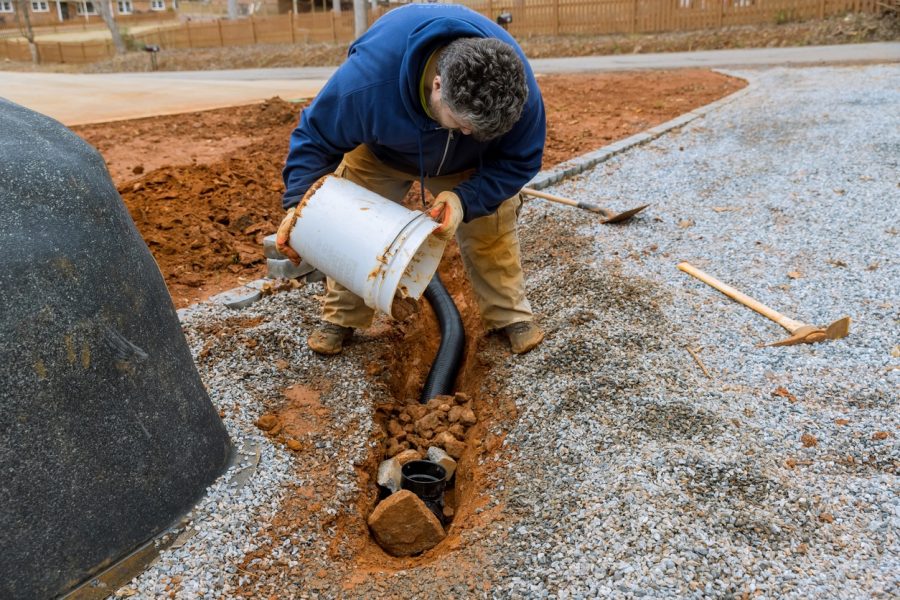
Is Drain Lining the Right Solution for Your Damaged Pipes? A No-Dig Guide

Is drain lining a good fit for your home? Fixing damaged pipes can feel like a nightmare for homeowners because traditional digging methods are messy and expensive, but there’s an easier way that doesn’t involve tearing up your yard: drain lining. This newer method helps you save both money and time while leaving your property intact.

In this guide, we’ll break down how drain lining works, so you can decide if it’s what your plumbing needs.

What is Drain Lining?

Drain lining also called trenchless pipe repair, fixes damaged pipes by placing a resin-coated liner inside them. This liner sticks to the pipe’s interior walls and forms a sturdy new layer. It acts like inserting one pipe inside another repairing the old pipe without needing to dig up the area.

How It Works

The process uses a few main steps:

  1. Inspection: Professionals inspect the pipes closely with a mini camera. This step helps them assess the damage and decide if using a lining will solve the problem.
  2. Cleaning: Workers clean the pipes to clear out debris, grease, or blockages before they install the liner. They often use high-pressure water jets to get this done.
  3. Liner Insertion: They push the resin-coated liner into the pipe. Air pressure inflates the liner so it presses against the existing pipe walls.
  4. Curing: Heat or UV light cures the liner once it is positioned. This hardens the resin and helps it stick to the pipe walls.
  5. Final Inspection: After curing, crews check the pipe to make sure the repair worked and everything is in good condition.

Why Use Drain Lining?

Less Disruption

It causes very little disturbance to your property. Unlike older methods that rely on a lot of digging, this solution often needs a couple of access points to work. You can avoid ruining lawns, driveways, or gardens, which means no spending extra time or cash fixing them later.

Saves Money

The upfront cost might be similar to digging-based repairs, but the long-term benefits make it worth it. Skipping heavy excavation cuts down on costs to restore your property and speeds up the repair process. Plus, the strong lining material lasts longer so you won’t deal with frequent breakdowns.

Durable Solution

The materials can last a long time. Many setups stay functional for 50 years or even more. This durability helps homeowners feel secure knowing their plumbing is less likely to face trouble down the road.

Better Water Flow

The smooth surface of the new lining helps water move more. This lowers the chances of clogs and backups happening. It is helpful in old pipes where the insides might have worn down and become uneven.

Problems Solved by Drain Lining

Drain lining works well to fix several plumbing problems such as:

  • Cracks and Leaks: Pipes can crack as they age causing leaks. This process seals those cracks to stop further issues.
  • Root Intrusion: Pipes often get blocked or damaged when tree roots grow into them. The new lining seals off entry points stopping roots from getting in again.
  • Corrosion: Pipes made of materials like cast iron or clay experience corrosion over time. The lining creates a barrier to stop further damage from happening.

Limits of Drain Lining

Even though it has many advantages, it does not work for every situation. Some issues may require other methods.

Not Ideal for All Types of Damage

When a pipe is damaged, collapsed, or not aligned, drain lining might not be the right fix. In those cases, digging up and replacing the pipe may be the only option.

Access Issues

Reaching the pipes can be tough in some spots. If pipes sit in tricky or tight locations extra steps might be required to get the job done.

Not a Permanent Fix

It can last a long time, but it doesn’t solve the problem forever. The liner can wear down or break meaning more repairs could be needed later.

Costs in Comparison: Drain Lining vs Digging

When looking at repair expenses, you need to compare drain lining to traditional digging methods. The initial price might be about the same, but it often offers better savings in the long run.

Cost Factor  Drain Lining  Traditional Excavation
Initial Repair Cost  Moderate  Moderate to High
Restoration Costs  Minimal  High
Time Required  Short (1-2 days)  Long (several days)
Longevity of Repair  50+ years  Varies

Picking the Best Contractor

To complete your job, hiring the right contractor matters. Use these ideas to choose :

  1. Experience: Hire someone experienced in trenchless technology and drainage work.
  2. Feedback and Proof: Read online feedback and request past client references to judge how good their work is.
  3. Certifications: Make sure the contractor has the proper licenses and certifications needed to handle drainage work.
  4. Clear Pricing: Pick a contractor who offers straightforward and upfront pricing, so there are no surprises later.

Wrapping Up

Drain lining offers a smart and practical way to fix broken pipes without digging up large areas. It works well because it’s less disruptive, saves money, and lasts a long time. This makes it a good option for fixing plumbing problems at home. But you should look at your specific situation and talk to an experienced contractor to see if drain lining fits your needs.

If your pipes are damaged and you’re thinking about the advantages of drain lining, contact a drainage expert. A professional can offer advice and help you decide what’s best to fix your plumbing and effectively.

Book your drainage inspection today: Call 0203 633 3897 or send us a message.

Drain Emergency: Top 7 Things to Know about What to Expect, Response Times and Cost

Drain emergency problems can go from being a small hassle to a serious issue very fast. Knowing what counts as a drain emergency, how you should handle it, and what it might cost makes it easier to deal with these situations without panicking.

This guide explains key points about drain emergencies, like signs to look out for how you can expect help, and a rough idea of the costs you might face.

Handling Drain Emergencies

A drain emergency happens when drainage problems create an urgent risk to your home or well-being. Some common situations include:

  • Sewage Backups: Wastewater returning to your home can cause unhealthy living conditions and potential health hazards.
  • Burst Pipes: Pipes that break cause major water damage and need you to act fast.
  • Overflowing Toilets: An overflowing toilet might mean there is a blockage in the plumbing. Ignoring it could result in flooding.
  • Serious Clogs: When multiple sinks or drains back up at once, it might mean the main sewer line is blocked.

Noticing these problems can prevent bigger damage and high repair bills.

Signs You’re Dealing With a Drain Emergency

Knowing what to look for helps you take quick action. Below are common signs that suggest you have a drain emergency:

  1. Gurgling Sounds: When your drains make odd gurgling noises, it means air is trapped because of a clog.
  2. Water Drains Slowly: If water sits in your sink or tub longer than it should, it’s often an early warning of a bigger blockage.
  3. Bad Smells: Foul smell coming from drains happen due to rotting waste or issues with sewage not flowing .
  4. Several Drains Clogged: When more than one drain in your house is backed up, it’s due to a problem with the main sewer line.

Pay attention to these issues and address them as soon as you notice them.

If you face a drain emergency, follow these steps to control the damage:

  • Turn Off Your Water: Find the main water valve and shut it off to stop flooding from getting worse.
  • Stop Using Problem Fixtures: Stay away from sinks, toilets, or anything else acting up.
  • Limit the Damage: Use buckets or towels to catch water if you can, to protect your space.
  • Call a Plumber: Don’t hesitate and call your emergency plumber as soon as possible for help.

These steps can help you manage things while waiting for the experts to arrive.

How Fast Can Emergency Plumbers Respond?

When you need emergency plumbing help how someone shows up can depend on different things like where you are and what time it is.  Here’s what to expect:

  • Weekday Help: Most plumbers try to reach you in 1 to 2 hours if it’s during normal working hours.
  • After-Hours Help: If it’s nighttime or a weekend, it might take 2 to 4 hours since fewer workers are available.
  • Holiday Help: Expect longer wait times during holidays, so if you can plan ahead to avoid delays.

Knowing these estimates can make dealing with emergencies a little less stressful.

Emergency Plumbing Service Costs

Knowing the possible expenses of a drain emergency helps you plan your budget better. Here is a simple breakdown of potential costs:

Usual Price Ranges

 Service Type  Cost Range
 Emergency Call-Out Fee  £100 – £300
 Burst Pipe Repair  £500 – £1,500
 Clogged Drain Clearing  £300 – £800
 Sewer Backup Resolution  £400 – £1,000+
 Gas Leak Repair  £600 – £1,400

What Affects the Costs

Many things can change how much you pay for emergency plumbing services:

  • When You Call: Calling after regular hours means higher charges, often 1.5 to 3 times more than usual rates.
  • Cost Factors to Think About: Bigger problems, like tree roots getting into pipes or serious water damage, will drive up the bill.
  • Where You’re Located: If you live in a city, you might pay more for services because of higher demand and living costs.

Understanding these things ahead of time can help you budget better and avoid getting caught off guard.

How to Prevent Drain Emergencies

Even though emergencies can show up out of the blue, there are ways to understand sustainable drainage systems and  lower your chances of facing one:

  1. Stick to Routine Maintenance: Hire a plumber now and then to inspect and clean your drains before small issues get worse.
  2. Be Careful with What You Toss: Don’t flush stuff that won’t break down, and watch what you put in your sink.
  3. Keep an Eye on Water Pressure: Too much water pressure can damage pipes and might cause leaks or bursts. You should think about adding a pressure regulator if needed.
  4. Add Drain Screens: Put screens in your sinks and showers. They help catch stuff that could block your drains.

Taking these steps helps lower the chance of facing a drain problem.

Knowing When to Call the Experts

While small problems might be handled on your own, it’s important to know when to get professional help. You should call in an expert if:

  • Several Drains Are Clogged: If more than one drain is acting up, it might mean there’s a bigger problem.
  • You Notice a Bad Smell: Strange or unpleasant smells might mean a sewage backup that needs attention right away.
  • Water Is Spilling Over: Toilets or sinks that overflow with water need fast action to avoid serious damage.

Spotting these signs can guide you to decide when to call in a professional plumber.

Wrapping Up Drain Emergency

A drain problem can feel overwhelming, but knowing what signs to watch for how to respond, and what the costs might be can help you take action right away. Acting and recognising when to get help can save your home from bigger problems and keep your plumbing running . If you are unsure about the situation, contacting a professional is the safest move to avoid making things worse.

When you’re dealing with a drain emergency, call for help as soon as possible. Quick action can ease your worries.

Book your drainage inspection today: Call 0203 633 3897 or send us a message.

Your Autumn Drainage Check: 5 Proactive Steps to Avoid a Winter Crisis

When leaves start to pile up and the air gets chilly, you should think about something people often forget: your home’s drainage check. Autumn is the perfect time to make sure everything is working well because ignoring it now could bring big problems once winter hits.

Follow these five straightforward steps for your drainage check and save yourself from expensive repairs or headaches during the colder months.

1.Keep Gutters and Downspouts Clear

Why Gutter Cleaning Matters

Gutters move rainwater away from houses keeping them safe from water damage. As fall continues, leaves and dirt often collect forming clogs. If this happens, water can spill over and harm roofs, walls, or even the foundation of the house.

Steps to Clean Gutters

  • Stay Safe: Always choose a strong ladder. Place it on flat solid ground. Keep at least three points of contact with the ladder while working.
  • Take Out Debris: Wear gloves and use your hands or a scoop to pull out leaves and other dirt from the gutters.
  • Rinse with Water: After removing debris, use a hose to wash away any dirt from the gutters and downspouts to make sure water moves.

How Often to Clean or Do Drainage Check

You should clean out your gutters at least twice in the fall. Do it once after the leaves start to drop and again right before winter arrives. This helps avoid clogs and keeps your drainage system working .

2. Check for Tree Roots Getting In

Why It’s a Problem

Tree roots often grow toward water and can make their way into sewer lines leading to major clogs. If ignored, this could cause serious pipe damage and expensive repairs.

Warning Signs of Root Problems

  • Slow Drains: Blockages from roots might cause sinks or toilets to drain more than usual.
  • Gurgling Sounds: Odd noises in the plumbing often mean air is stuck because of a clog.
  • Wet Spots in the Yard: Soggy areas over the sewer line can mean roots have caused a leak underground.

Getting a Professional Inspection

When you think roots might be causing problems, it’s smart to get an expert to inspect. Professionals often use tools like CCTV drain cameras to spot and fix root issues.

3. Check Your Sump Pump

Why Sump Pumps Matter

Houses with basements need sump pumps to stop flooding. Autumn brings more rain, so it is important to make sure your sump pump works .

Ways to Test Your Sump Pump

  • Add Water: Put water into the sump pit to check if the pump turns on and removes the water well.
  • Look at the Discharge Line: Make sure the discharge line is not blocked and that it moves water away from your house.
  • Check for Damage: Look at the pump to spot rust or any other damage.

Routine Check-Ups

Plan to maintain your sump pump before heavy rains arrive. This helps to avoid breakdowns when you need the pump the most.

4. Spot and Fix Pipe Leaks

Why Stopping Leaks Matters

Colder weather makes even small leaks turn into big problems. They can lead to serious water damage and make utility costs go up. To avoid this, checking your pipes is an important autumn task.

Steps to Find Leaks

  • Look for Signs: Search exposed pipes for rust, moisture, or signs of corrosion.
  • Check Fixtures: Watch faucets and showerheads for dripping. Replace old washers or gaskets if needed.
  • Close Gaps: Cover any visible cracks or open spaces in your pipes. Use insulation or sealant to do this.

Why Fixing Leaks Helps

Fixing leaks stops water damage in your house and helps your plumbing work better. This can cut down your costs over time.

5. Schedule a Professional Drainage Check

Why You Should Rely on Professionals

Debris, grease, and other gunk build up in drains over time causing clogs. Getting professional drain cleaning keeps your system in good shape and avoids problems down the line.

What Services to Expect

  • High-Pressure Water Jetting: Strong water jets remove tough clogs and get things flowing again.

CCTV Drain Surveys: Experts use these inspections to spot hidden problems in drains, like cracks or roots growing into the pipes.

How Often Should Drains Be Cleaned?

You should clean your drains with professional help at least ahead of winter. Drainage check can prevent unexpected issues and keep your drainage system working well.

Wrapping Up Drainage Check

When autumn arrives, it helps to look over your drainage system to avoid problems in the winter. You can keep your home safe from winter issues by doing five important things: clean the gutters, check for tree roots, test the sump pump, seal any leaks, and book a professional cleaning. Taking care of these things now will spare you headaches later.

Don’t put it off until a problem shows up. Get your drainage check today so it can handle what winter might bring.

Book your drainage inspection today: Call 0203 633 3897 or send us a message.