
Weather can be your drains‘ worst enemy. Most homeowners don’t think about their drainage system until something goes wrong. But the truth is, every season brings different challenges that can damage your pipes and cause expensive problems.
Let us explain how weather affects your drains, specific conditions and their effects on drains, and what you can do to protect them.
Heavy Rain and Your Drains
When it rains heavily in the UK, your drains work overtime. The sudden rush of water can overwhelm your system, especially if leaves and debris have built up over time.
Rainwater needs somewhere to go. If your drains are already partially blocked, the extra water has nowhere to escape. This leads to flooding in your garden or even inside your home.
Here’s what happens: soil and mud get washed into your drainage system. Small particles stick to the pipe walls. Over time, these build up and create blockages that are hard to clear.
Winter Freeze Problems
Cold weather brings a whole new set of issues. When temperatures drop below freezing, water inside your pipes can turn to ice. Ice takes up more space than water, which puts pressure on your pipes.
This pressure can crack pipes or make existing damage worse. Once the ice melts, you might find water leaking into places it shouldn’t be. The worst part? You might not notice until spring arrives.
Frozen drains also mean waste can’t flow properly. Everything backs up, creating unpleasant smells and health risks around your property.
Summer Heat and Dry Spells
You might think summer is easy on your drains, but dry weather causes its own problems. When the ground dries out, it shrinks. This movement can shift underground pipes and cause them to crack or collapse.
Tree roots also become more aggressive during dry periods. They search for water sources, and your drain pipes are perfect targets. Roots can grow into tiny cracks and expand, completely blocking your drainage system.
Autumn Leaves and Drain Blockages
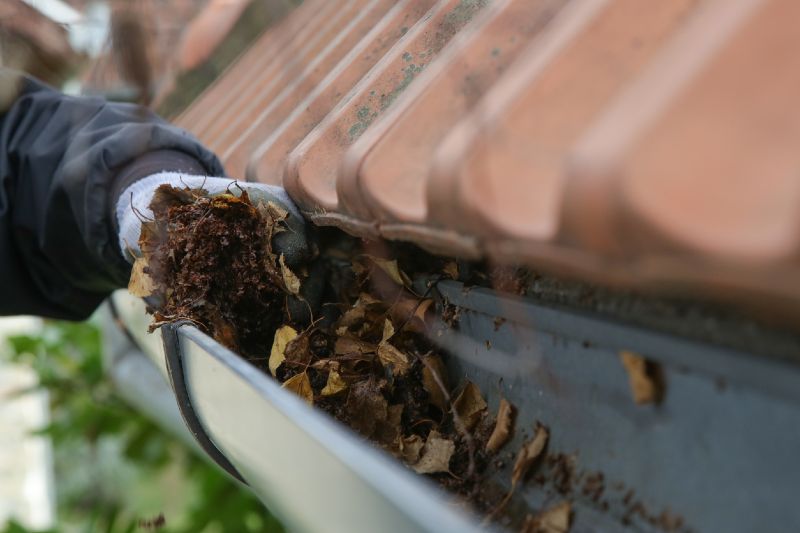
Autumn is probably the worst season for blocked drains. Falling leaves pile up everywhere, including in your gutters and drain covers.
When leaves get wet, they form a thick sludge that blocks water flow. This happens faster than you’d think. One heavy rainfall with clogged gutters can send debris straight into your drains.
How to Protect Your Drains
Regular cleaning matters. Clear your gutters before autumn arrives. Remove leaves from drain covers after windy days. These quick tasks prevent major problems later.
Check for warning signs. Slow drainage, bad smells, or gurgling sounds mean trouble is building. Don’t wait until water backs up completely.
Insulate exposed pipes before winter. Pipe lagging is cheap and easy to install. It protects vulnerable pipes from freezing temperatures.
Schedule a CCTV survey if you’re worried about hidden damage. This shows exactly what’s happening inside your pipes. You can spot cracks, root intrusion, or blockages before they cause emergencies.
Final Thoughts on How Weather Affects Your Drains
The weather will always affect your drains. You can’t control the rain, snow, or heat. But you can control how well you maintain your drainage system.
Regular checks, seasonal cleaning, and quick action when problems appear; these habits protect your property all year round. Your drains work hard every day. Give them the attention they deserve, and they’ll keep working when you need them most.
