
Drain Emergency: Top 7 Things to Know about What to Expect, Response Times and Cost

Drain emergency problems can go from being a small hassle to a serious issue very fast. Knowing what counts as a drain emergency, how you should handle it, and what it might cost makes it easier to deal with these situations without panicking.

This guide explains key points about drain emergencies, like signs to look out for how you can expect help, and a rough idea of the costs you might face.

Handling Drain Emergencies

A drain emergency happens when drainage problems create an urgent risk to your home or well-being. Some common situations include:

  • Sewage Backups: Wastewater returning to your home can cause unhealthy living conditions and potential health hazards.
  • Burst Pipes: Pipes that break cause major water damage and need you to act fast.
  • Overflowing Toilets: An overflowing toilet might mean there is a blockage in the plumbing. Ignoring it could result in flooding.
  • Serious Clogs: When multiple sinks or drains back up at once, it might mean the main sewer line is blocked.

Noticing these problems can prevent bigger damage and high repair bills.

Signs You’re Dealing With a Drain Emergency

Knowing what to look for helps you take quick action. Below are common signs that suggest you have a drain emergency:

  1. Gurgling Sounds: When your drains make odd gurgling noises, it means air is trapped because of a clog.
  2. Water Drains Slowly: If water sits in your sink or tub longer than it should, it’s often an early warning of a bigger blockage.
  3. Bad Smells: Foul smell coming from drains happen due to rotting waste or issues with sewage not flowing .
  4. Several Drains Clogged: When more than one drain in your house is backed up, it’s due to a problem with the main sewer line.

Pay attention to these issues and address them as soon as you notice them.

If you face a drain emergency, follow these steps to control the damage:

  • Turn Off Your Water: Find the main water valve and shut it off to stop flooding from getting worse.
  • Stop Using Problem Fixtures: Stay away from sinks, toilets, or anything else acting up.
  • Limit the Damage: Use buckets or towels to catch water if you can, to protect your space.
  • Call a Plumber: Don’t hesitate and call your emergency plumber as soon as possible for help.

These steps can help you manage things while waiting for the experts to arrive.

How Fast Can Emergency Plumbers Respond?

When you need emergency plumbing help how someone shows up can depend on different things like where you are and what time it is.  Here’s what to expect:

  • Weekday Help: Most plumbers try to reach you in 1 to 2 hours if it’s during normal working hours.
  • After-Hours Help: If it’s nighttime or a weekend, it might take 2 to 4 hours since fewer workers are available.
  • Holiday Help: Expect longer wait times during holidays, so if you can plan ahead to avoid delays.

Knowing these estimates can make dealing with emergencies a little less stressful.

Emergency Plumbing Service Costs

Knowing the possible expenses of a drain emergency helps you plan your budget better. Here is a simple breakdown of potential costs:

Usual Price Ranges

 Service Type  Cost Range
 Emergency Call-Out Fee  £100 – £300
 Burst Pipe Repair  £500 – £1,500
 Clogged Drain Clearing  £300 – £800
 Sewer Backup Resolution  £400 – £1,000+
 Gas Leak Repair  £600 – £1,400

What Affects the Costs

Many things can change how much you pay for emergency plumbing services:

  • When You Call: Calling after regular hours means higher charges, often 1.5 to 3 times more than usual rates.
  • Cost Factors to Think About: Bigger problems, like tree roots getting into pipes or serious water damage, will drive up the bill.
  • Where You’re Located: If you live in a city, you might pay more for services because of higher demand and living costs.

Understanding these things ahead of time can help you budget better and avoid getting caught off guard.

How to Prevent Drain Emergencies

Even though emergencies can show up out of the blue, there are ways to understand sustainable drainage systems and  lower your chances of facing one:

  1. Stick to Routine Maintenance: Hire a plumber now and then to inspect and clean your drains before small issues get worse.
  2. Be Careful with What You Toss: Don’t flush stuff that won’t break down, and watch what you put in your sink.
  3. Keep an Eye on Water Pressure: Too much water pressure can damage pipes and might cause leaks or bursts. You should think about adding a pressure regulator if needed.
  4. Add Drain Screens: Put screens in your sinks and showers. They help catch stuff that could block your drains.

Taking these steps helps lower the chance of facing a drain problem.

Knowing When to Call the Experts

While small problems might be handled on your own, it’s important to know when to get professional help. You should call in an expert if:

  • Several Drains Are Clogged: If more than one drain is acting up, it might mean there’s a bigger problem.
  • You Notice a Bad Smell: Strange or unpleasant smells might mean a sewage backup that needs attention right away.
  • Water Is Spilling Over: Toilets or sinks that overflow with water need fast action to avoid serious damage.

Spotting these signs can guide you to decide when to call in a professional plumber.

Wrapping Up Drain Emergency

A drain problem can feel overwhelming, but knowing what signs to watch for how to respond, and what the costs might be can help you take action right away. Acting and recognising when to get help can save your home from bigger problems and keep your plumbing running . If you are unsure about the situation, contacting a professional is the safest move to avoid making things worse.

When you’re dealing with a drain emergency, call for help as soon as possible. Quick action can ease your worries.

Book your drainage inspection today: Call 0203 633 3897 or send us a message.
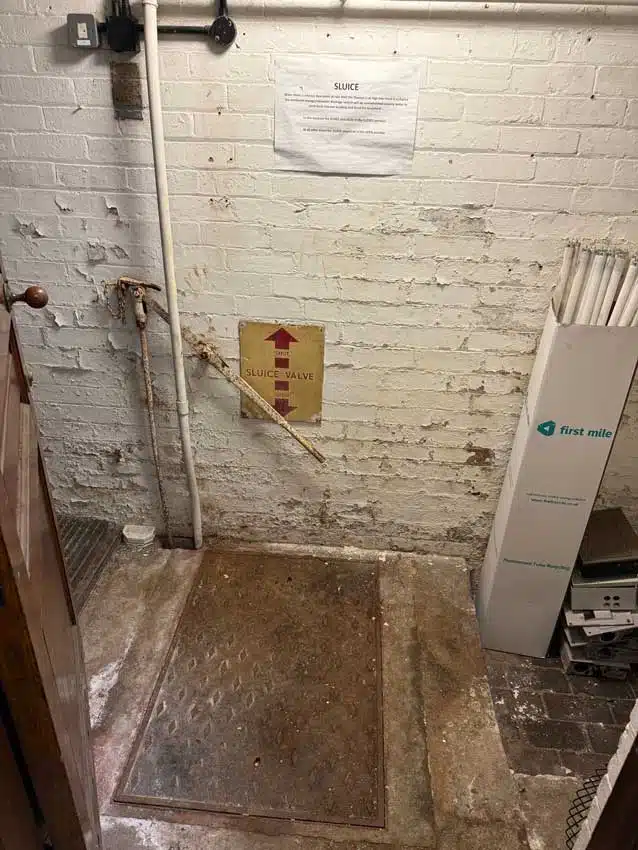
Your Autumn Drainage Check: 5 Proactive Steps to Avoid a Winter Crisis

When leaves start to pile up and the air gets chilly, you should think about something people often forget: your home’s drainage check. Autumn is the perfect time to make sure everything is working well because ignoring it now could bring big problems once winter hits.

Follow these five straightforward steps for your drainage check and save yourself from expensive repairs or headaches during the colder months.

1.Keep Gutters and Downspouts Clear

Why Gutter Cleaning Matters

Gutters move rainwater away from houses keeping them safe from water damage. As fall continues, leaves and dirt often collect forming clogs. If this happens, water can spill over and harm roofs, walls, or even the foundation of the house.

Steps to Clean Gutters

  • Stay Safe: Always choose a strong ladder. Place it on flat solid ground. Keep at least three points of contact with the ladder while working.
  • Take Out Debris: Wear gloves and use your hands or a scoop to pull out leaves and other dirt from the gutters.
  • Rinse with Water: After removing debris, use a hose to wash away any dirt from the gutters and downspouts to make sure water moves.

How Often to Clean or Do Drainage Check

You should clean out your gutters at least twice in the fall. Do it once after the leaves start to drop and again right before winter arrives. This helps avoid clogs and keeps your drainage system working .

2. Check for Tree Roots Getting In

Why It’s a Problem

Tree roots often grow toward water and can make their way into sewer lines leading to major clogs. If ignored, this could cause serious pipe damage and expensive repairs.

Warning Signs of Root Problems

  • Slow Drains: Blockages from roots might cause sinks or toilets to drain more than usual.
  • Gurgling Sounds: Odd noises in the plumbing often mean air is stuck because of a clog.
  • Wet Spots in the Yard: Soggy areas over the sewer line can mean roots have caused a leak underground.

Getting a Professional Inspection

When you think roots might be causing problems, it’s smart to get an expert to inspect. Professionals often use tools like CCTV drain cameras to spot and fix root issues.

3. Check Your Sump Pump

Why Sump Pumps Matter

Houses with basements need sump pumps to stop flooding. Autumn brings more rain, so it is important to make sure your sump pump works .

Ways to Test Your Sump Pump

  • Add Water: Put water into the sump pit to check if the pump turns on and removes the water well.
  • Look at the Discharge Line: Make sure the discharge line is not blocked and that it moves water away from your house.
  • Check for Damage: Look at the pump to spot rust or any other damage.

Routine Check-Ups

Plan to maintain your sump pump before heavy rains arrive. This helps to avoid breakdowns when you need the pump the most.

4. Spot and Fix Pipe Leaks

Why Stopping Leaks Matters

Colder weather makes even small leaks turn into big problems. They can lead to serious water damage and make utility costs go up. To avoid this, checking your pipes is an important autumn task.

Steps to Find Leaks

  • Look for Signs: Search exposed pipes for rust, moisture, or signs of corrosion.
  • Check Fixtures: Watch faucets and showerheads for dripping. Replace old washers or gaskets if needed.
  • Close Gaps: Cover any visible cracks or open spaces in your pipes. Use insulation or sealant to do this.

Why Fixing Leaks Helps

Fixing leaks stops water damage in your house and helps your plumbing work better. This can cut down your costs over time.

5. Schedule a Professional Drainage Check

Why You Should Rely on Professionals

Debris, grease, and other gunk build up in drains over time causing clogs. Getting professional drain cleaning keeps your system in good shape and avoids problems down the line.

What Services to Expect

  • High-Pressure Water Jetting: Strong water jets remove tough clogs and get things flowing again.

CCTV Drain Surveys: Experts use these inspections to spot hidden problems in drains, like cracks or roots growing into the pipes.

How Often Should Drains Be Cleaned?

You should clean your drains with professional help at least ahead of winter. Drainage check can prevent unexpected issues and keep your drainage system working well.

Wrapping Up Drainage Check

When autumn arrives, it helps to look over your drainage system to avoid problems in the winter. You can keep your home safe from winter issues by doing five important things: clean the gutters, check for tree roots, test the sump pump, seal any leaks, and book a professional cleaning. Taking care of these things now will spare you headaches later.

Don’t put it off until a problem shows up. Get your drainage check today so it can handle what winter might bring.

Book your drainage inspection today: Call 0203 633 3897 or send us a message.
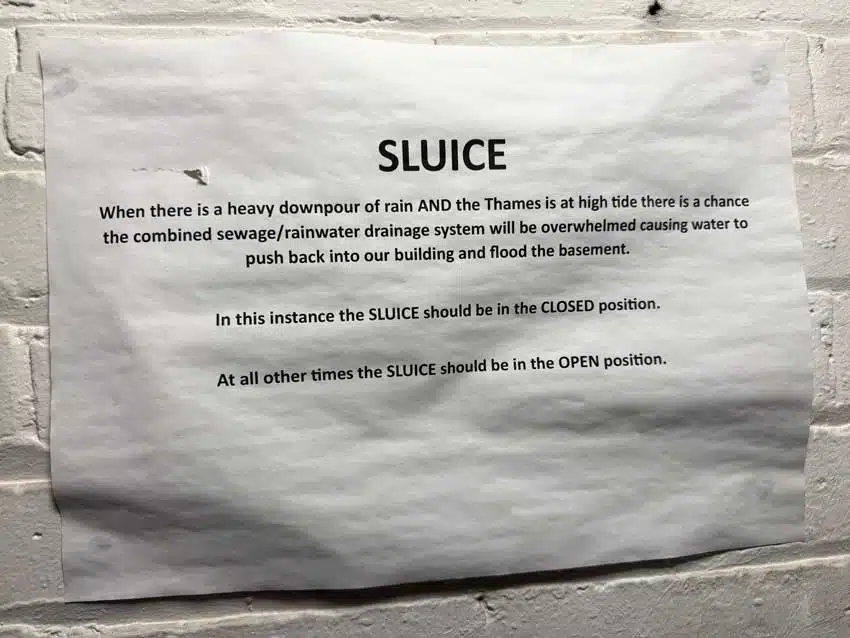
Can a Sluice System Really Stop Blocked Drain Flooding in London?

London homeowners face serious drainage challenges every year. Heavy rainfall often leads to flooded basements and backed-up drains. Many people wonder if a sluice system can actually prevent blocked drain flooding in London.

This question deserves a detailed answer. Through this, you will get a proper understanding of how these systems work. This will enable property owners to make informed decisions about protecting their homes.

blocked drain london flooding sluice

What are Sluice Systems?

A sluice gate acts as a controllable barrier in drainage systems. It slides up and down to manage water flow through pipes or channels. The mechanism is quite simple but effective.

Sluice gates install directly into drainage lines. When water levels rise dangerously, the gate can be closed to prevent backflow. Once the danger passes, the gate opens back up. Water then flows normally through your drains again.

People have used this design for hundreds of years to control water. Today’s versions use strong materials that handle dirty water and waste without breaking down.

The Connection of Sluice with Blocked Drain Flooding Problems

Blocked drain flooding happens for two main reasons. First, debris and waste create blockages inside the pipes. Second, external pressure forces water back into properties during heavy storms.

A sluice system addresses the second problem directly. When Thames Water’s main sewers reach capacity, pressure builds throughout the network. This pressure can push sewage and stormwater back through household drains.

The gate creates a physical barrier against this backflow. It stops external water from entering your property even when the main system gets overwhelmed. This protection proves valuable during London’s increasingly frequent heavy rainfall events.

Effectiveness of Sluice Systems

Evidence from commercial properties shows promising results. Buildings that have installed sluice gates report fewer drain flooding incidents during storms. The system provides reliable protection when properly installed and maintained.

London receives significant rainfall each year. The city’s ageing drainage infrastructure struggles to cope with modern demands. Properties near the Thames or in low-lying areas face the highest risk of backflow flooding.

A sluice gate offers a practical solution for these vulnerable locations. The system works passively without requiring electricity or complex controls. This simplicity means fewer things can go wrong during emergencies.

blocked drain london flooding sluice

The Capabilities and Applications of Sluice Systems

Clarity is important here. A sluice gate will not clear existing blockages inside your drains. If grease, tree roots, or debris block your pipes, you still need professional drain cleaning services.

The system prevents external water from flowing backwards into your property. It does not remove obstructions or improve drainage flow from your sinks and toilets. These are two separate issues that require different solutions.

Making the Right Decision

Every property faces different flooding risks. Check where your home sits on the map. Look at past drainage or blocked drain flooding problems. Think about what type of building you own. Has your property flooded before? Even once means it could happen again.

A sluice system stops backflow drain flooding really well. The technology works without fancy parts or constant repairs. But remember, it doesn’t clean blocked drain flooding and pipes or remove existing waste buildup.

Professional drainage engineers know which solution works best. They visit your property and check the drainage setup. Then they explain what protection your home actually needs.

How to Identify a Necessary Drainage Repair vs. Replacement

Every homeowner faces the issue of drain blockage. But how do you know if a simple fix will work or if the whole drainage needs replacing?

This question matters because making the wrong choice costs money. If it is too damaged, a repair may only save you a few months. If the drain needs quick fixes, then replacing it may not be right for you.

Let’s break down the signs that help you make the right decision.

Signs Your Drainage Needs a Simple Repair

A single blockage usually means debris has built up in one spot. Tree roots often push through small cracks.

Look for these repair-worthy signs:

  • Water drains slowly from sinks or toilets
  • One fixture backs up while others work fine
  • You hear gurgling sounds from a specific drain
  • Bad smells come from one area only.

A drain survey using a CCTV camera shows exactly what’s happening underground. The engineer spots the problem location quickly. If damage appears in just one section, repair usually works well.

Warning Signs That Replacement is Needed

Some situations go beyond quick fixes, and old pipes eventually collapse. When drain damage spreads across multiple sections, repairs become like very expensive plasters on an open wound!

Watch out for these red flags:

Multiple recurring blockages suggest the pipe structure has failed. You cab call someone to clear it, but the problem usually returns within weeks. This pattern indicates deeper issues.

The age of the system plays a huge role. Over decades, clay pipes in older homes shift and crack. Cast iron corrodes from the inside out. If your property was built before 1970, the drainage system might be living on borrowed time.

Standing water in the garden can mean the underground pipe has collapsed or separated. Water cannot flow through anymore – it pools above ground instead.

Multiple fixtures backing up together show a main drain failure. When toilets, sinks, and baths all stop draining properly, the shared pipe underneath probably has some serious damage.

What a CCTV Survey Reveals About the Drainage System

Professional surveys remove the guesswork. A small camera travels through your drain system and records everything. The engineer watches live footage and creates a detailed report.

The survey shows pipe material condition, crack locations, root penetration depth, and collapse severity. This information guides the repair-or-replace decision. No digging required for diagnosis.

Making the Final Decision

Consider the pipe’s remaining lifespan. If there is a 15-year-old plastic pipe with minor damage, then you should go for repair. If you have a 100-year-old clay pipe with multiple cracks, then replacement makes more sense.

Think about future costs too. Repeated repairs add up quickly. If your drainage needs work every year, replacement becomes cheaper long-term.

The right choice depends on your specific situation. But armed with survey results and expert advice, homeowners can make informed decisions that save money and prevent future problems.

What Is Drain Jetting Service & When Should You Use It?

Blocked drains can turn your day upside down. Water is stuck and unable to go down. Bad smells fill your home. Sometimes basic drain cleaners just don’t work anymore.

This is where drain jetting Service comes to resolve all problems. It’s one of the most effective ways to clear stubborn blockages that other methods can’t handle. Here, we are going to understand what is drain jetting and how we can use it.

What Is Drain Jetting Service?

Drain jetting uses high-pressure water to blast through blockages in your pipes. Think of it like a power washer for your drains. The equipment shoots water at extremely high pressure through your drainage system.

A special hose goes into your drain. Water comes out at pressure levels up to 4000 PSI. This force can break apart almost any blockage in its path.

The process is also called high-pressure water jetting or hydro jetting. Professional drainage engineers use specialised equipment to do this safely.

How Does Drain Jetting Service Work?

The process starts with inserting a flexible hose into your blocked drain. This hose connects to a high-pressure water pump. Water shoots out through special nozzles at the end of the hose.

Different nozzles create different water patterns. Some spray forward to break blockages. Others spray backwards to pull debris toward the exit. The water pressure pushes everything through your pipes and into the main sewer.

The whole process usually takes 30 minutes to 2 hours. It depends on how bad the blockage is and how long your pipes are.

When to Use Drain Jetting

Recurring Blockages: Your drain keeps blocking up even after you’ve tried to clear it. This often means there’s a stubborn build-up deep in your pipes.

Grease and Fat Build-up: Kitchen drains often get clogged with cooking grease. This hardens inside pipes and creates tough blockages that regular drain cleaners can’t dissolve.

Commercial Properties: Restaurants and other businesses deal with heavy drainage use. Drain jetting helps maintain their systems properly.

Proven Advantages of Drain Jetting

Complete Cleaning: Unlike chemical drain cleaners, drain jetting cleans the entire pipe wall. It removes all build-up, not just the blockage.

Environmentally Safe: The process only uses water. No harmful chemicals go into your drainage system or the environment.

Works on All Pipe Types: Whether you have old clay pipes or modern plastic ones, drain jetting Service works safely on most drainage systems.

When Not to Use A Drain Jetting Service

Drain jetting isn’t suitable for every situation. Avoid it if your pipes are very old and fragile. The high pressure might damage weak or cracked pipes.

New installations with loose joints might also get damaged. Always have a professional drainage engineer to check your pipes first.

Less complicated techniques like drain snakes or plunging may be equally effective if the obstruction is only minor.

Final Thoughts

Drain jetting is a perfect solution for rigid and stubborn drainage problems. It offers long-lasting effects and complete cleaning.

You can consider drain jetting services when you face multiple blocked drains. Always use professional drain unblocking services like Quick Clear Drainage to ensure the job gets done safely and effectively. Contact us today!