
How Do You Know When Your Drains Are Blocked?

Believe us, we’re the first to understand just how stressful drainage issues can be on your household or business. There’s no disruption and inconvenience quite like it once you’ve realised you have a blocked drain in London or any other area of the UK. So, what’s the solution? preventative measures and early detection. The sooner you detect a blockage issue, the less damage it is likely to cause to your day to day life.

Here’s 4 simple signs to look out for, when assessing whether your drains are clogged:

Unpleasant Smells

One of the most obvious, and unpleasant signs of a blockage in your drains is a foul smelling odour. One of the most common causes of drain blockages is food debris. This debris begins to slowly decompose, which, in turn, begins to produce a very bad smell! You may notice this more when your tap turns on, or you might catch the scent of sewage around your house or drain cover.

Water Draining Slowly

Again, a clear sign of drainage issues and blockages is water draining slower than usual in your toilet, sink, shower or bath. As well as a blocked drain, in some cases, water draining slowly can also be a sign of a  a collapsed pipe. Blockages are one thing, in the case of a collapsed pipe, you will need drain repairs done by a professional drainage company.
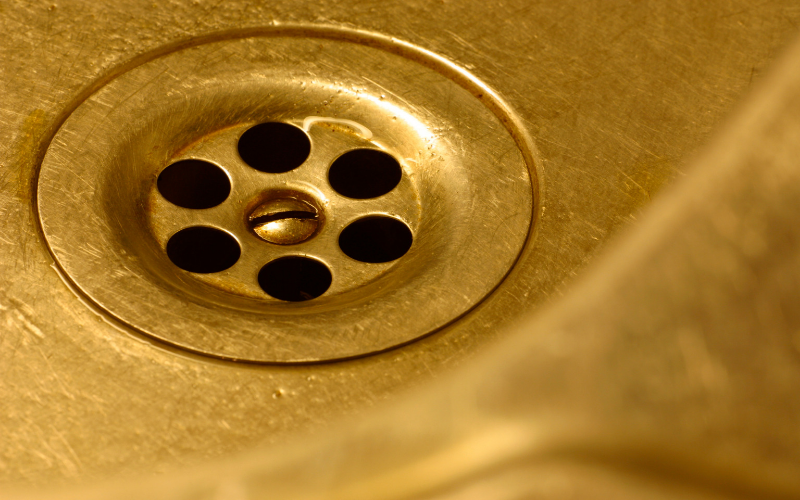
Blocked Drain Water Running Slowly London

Gurgling Sounds Coming From Drains

Any noises which sound different to normal, especially gurgling noises originating from drains, plug holes, toilet flushes and pipes are easy red flags to watch out for. When you run water, a gurgling sound is an indication that there is trapped air which is escaping. It’s common for dirt and grease to build up in your drains. This buildup can cause the water to drain slowly and as a result, the air bubbles can not go through the pipes and instead, travel through the nearest vent. That’s why you hear a gurgling noise. 

Raised Water Levels

If you’re in a situation where you notice a rise in the water level of your toilet when flushed, it’s a clear sign that you have a blocked toilet. For any temporary or partial waste blockages, it may be easy to unblock with a plunger. However, for longer-lasting issues or where the water is at the point of overflowing – It’s time to call an emergency toilet unblocking service.

What To Do About Your Blocked Drains?!

Prevention is the ultimate solution for looking after your drains. Ensuring that you’re not flushing items which can cause blockages, pouring fatty oils and large amounts of food debris down the sink and so on.

However, if you have noticed any of the above signs – it is best to call a professional drainage contractor, as soon as possible. For rapid response, efficient results, and to prevent the risk of any further costly damage to your property, give Quick Clear Drainage London a call.

Quick Clear Drainage provides drain unblock services in London, and the surrounding areas.

Why it is important to switch to sustainable cleaning supplies

As we learn and understand more about our planet, it’s clear that the way we treat it needs to change. The climate crisis is a pressing issue and whilst major adjustments like the reduction of fossil fuels are the way forward, we can make a difference at home too. 

Many of us are familiar with the benefits of recycling, but one eco swap that you may not have considered in your home is your household cleaning routine. But with many people spending an average of 10 days cleaning per year, the products that we use on this chore soon add up, so it’s well worth making a sustainable switch. Here, we explain why.

They’re better for the environment

There are several issues with cleaning products – one, the products themselves can harm the environment, and two, the cloths and sponges we use to apply them and wipe them off can do the same. Chemical compounds in cleaning products can reduce the quality of the water, harm aquatic life and even contribute to smog formation.

Sustainable cleaning products are generally designed to be water and animal safe, in bottles made of recycled plastic. You can even make your own cleaning products out of household ingredients such as lemons, vinegar and baking soda to reduce your impact even further.

They can save you money in the long run

Whilst the biggest savings can come from creating your own cleaning products, as they contain easy-to-buy ingredients, you’ll be surprised at the price of ready-made sustainable products too. Whilst prices will vary, some companies offer cleaning ‘drops’ that you add to tap water in bottles that you already own – therefore cutting both the cost of the bottle and the cost that is added for making it up for you.

Additionally, whilst buying long-lasting cleaning tools may be more expensive than buying cheap disposable cloths at first, it will pay off in the long run as you can reuse your items again and again. Scrubbing brushes and other tools are also likely to be made of wood rather than plastic, and should therefore be less likely to snap. 

If you want to reduce costs, then save up old fabric from used clothes, towels and dishcloths, and cut them into smaller pieces to use as rags.

Keeping your house clean reduces long-term issues

A regular cleaning routine saves you from experiencing long-term issues with your property. For example, running hot water into a drain once a week after you’re done scrubbing the shower or sink will help reduce the risk of any blockages. You can also get strainers that catch any hair or debris before they go down the drain in the first place – but these require regular cleaning, so it’s important to have a good routine in place to make sure everything stays hygienic. Choosing the right sustainable cleaning supplies allows you to keep up your regular cleaning without the smell of harsh chemicals, or the worry that you’re damaging the planet. 

Better for you, better for the environment

In conclusion, there are some clear benefits for making the switch to sustainable cleaning. Not only is it better for the environment, but it can potentially save you money through the longevity of the products you buy. Remember, a regular cleaning routine is essential for keeping your home hygienic and reducing the risk of a larger cleaning job further down the line.

Three maintenance tasks to consider when you buy a home

When you buy a home you may be keen to jump in and start making it your own, but it’s important to consider any repairs and maintenance tasks which may need your attention first. It’s wise to employ a surveyor to identify any issues with water and drainage systems, structural elements or the electrics before you commit to buying any property. Some tasks are relatively simple to do yourself with a little research, but others are best left to the professionals. Here are three maintenance tasks to consider and how best to approach them:

Check your systems

Water damage can be expensive to repair, so it’s well worth ensuring your new home is waterproof outside and in. Check the guttering is unblocked and that there are no leaks in the roof or drips coming through into the attic or walls.

Blocked or slow drains can soon become a disastrous, smelly problem. Check your toilets, baths, showers and sinks to make sure they are draining properly and don’t have any stagnant water smells coming from them. Slow-draining pipes may be helped by an unblocking chemical, commonly found in most supermarkets. But if this doesn’t shift it, you may need to call in a professional. 

Mould on the walls can signal a damp problem or leaks in the pipes in the roof. Run the water and check for leaks or any water pooling on the floor around the shower or under the sink. You can regrout bathroom tiles yourself if it is mouldy or patchy. 

Bleed your radiators to ensure your heating is effective, especially if it hasn’t been used for a while. Check the boiler to ensure the thermostat is working properly and the unit is no more than eight years old as it may need to be replaced.

Repairs 

You can fix draughty windows by replacing the weatherstripping yourself, but if you want to replace any windows or external doors you’ll need to hire a professional. Fill in old nail holes with interior filler and sand them flat before you paint or apply the new wallpaper. Sticky doors that are difficult to shut are usually caused by wood swelling due to excess moisture in the air. You can fix them by sanding the swollen edge and repainting them, but make sure to investigate the surrounding rooms for any damp areas on the floor, ceiling or walls. 

Flooring

Old carpets can harbour bacteria, dust mites, fleas and pet hair. It’s worth budgeting to replace the carpets in your new home or fit new flooring to ensure you don’t have any nasty surprises. Whilst you can do this yourself, it’s worth paying the professionals to fit any new flooring for you as it can be frustrating and difficult to achieve a high standard if you aren’t experienced. Many companies will also take the old flooring or carpets away and properly dispose of them for you. Wood or tile flooring may just need a deep clean, or if the carpets are relatively new, you may get away with simply hiring a professional carpet cleaner. 

You can probably do most painting tasks yourself, although it may pay to hire a professional if you need to paint a large area or multiple rooms quickly. Wallpaper can be especially difficult to remove, so either gather a team of family and friends to help or hire someone!

However you choose to fix up your new house, remember to keep on top of repairs and maintenance tasks regularly to avoid problems. Above all, have fun creating your unique style and indulging your inner interior designer!

How Quick Clear Drainage Can help

It’s also important to understand the condition of your house before undertaking any home improvements. If you want to fully understand the condition of your drains, you should arrange for a homebuyers CCTV Drain Survey If you live in London, the chances of having blocked drain issues can be quite high due to the antiquated sewerage that a large portion of homes in London has to deal with. Give us a call if you have any questions!

Why is it important to clear blocked drains quickly?

Maintaining a home can be a big job, and with many of us tight on time, we can prioritise seemingly urgent DIY tasks, whilst leaving others for another day. A blocked drain can seem like a minor inconvenience. You might just put some bleach down it and hope for the best, or clear the drain cover if it’s external.

It’s easy to push this task down your to-do list, but over time, this can cause you further issues and expense if it’s not properly dealt with. If you’ve ever had a blocked drain, you’ll know first-hand just how annoying it can be. And with the average person in the UK using 150 litres of water per day, it’s clear that drains are an integral part of modern living, and we need them to be working optimally at all times. Here, we list the top reasons why it’s important to clear blocked drains quickly.

Blocked drains stop drainage

This sounds obvious, but have you ever considered what no drainage means for you and your home? Inside, it will likely mean that you can’t use your sink, and outside, it might mean that those soapy suds from washing your car instead flow onto your lovely lawn.

Blocked drains also mean a build-up of old food, mud or other waste materials, which start to smell and are unhygienic. In addition, blocked drains can provide a breeding ground for harmful bacteria and insects. Especially if you’re got young children, you’ll want to make sure that you remove any potentially harmful waste from your home as quickly as possible so that they can’t get their hands in it, and this means keeping your drains clean.

Blocked drains can cost you money

If they’re not sorted, blocked drains can also overflow. No one wants waste water coming back up into their house – not only will it leave a horrible smell, but it could also leave you with some costly repair work if the water gets to your flooring.

With the rising cost of living, no-one wants to be paying out for things that they don’t need to be. Regularly maintaining your drains does mean that you might need to buy a few small items, but it will save you the cost of an emergency callout later down the line. If getting your hands dirty isn’t your thing, you may also decide to enlist the help of a professional, before the issue gets out of hand. Getting expert help is the best way to get peace of mind that your drains are being properly looked after.

How can I unblock my drains?

If the drain is inside your property boundaries, it’s generally your responsibility to fix. Thankfully, there are a few simple things you can do to help keep your drains clear and help reduce the risk of a problem forming in the first place. For example, avoid pouring grease or food down the drain, and use a mesh screen to catch hair and other debris. 

There are several home solutions that you can easily make to regularly clean your drains. For example, a combination of baking soda and vinegar is a simple yet effective option, and it’s safe to use your sink again immediately after cleaning. First, pour hot water down the sink, followed by a cup of baking soda and a cup of vinegar. This can break up any blockages, and then you should also make sure to regularly clean your drains with a plunger or snake. By following these simple tips, you can help prevent a small blockage from becoming a big problem.

If you do find yourself with an emergency situation, it’s always best to call an expert and get their help. You may think that the drain will sort itself out, but it’s imperative you address the problem as soon as you can, to help keep your home and your family safe – getting this problem sorted quickly is worth the extra cost. 

To sum up

Cleaning your drains doesn’t need to be a big task if it’s completed regularly. However, leaving the problem to build up can cause an issue further down the line, and an additional expense. To avoid this, try to reduce the amount of material that goes down the drain that isn’t water, clear off any leaves from external drains, and habitually clean them with baking soda and vinegar.

The top maintenance jobs to do at home to avoid flood risks

One of the main reasons why you should keep on top of maintenance jobs at home is to avoid flood risks. While it is important to have insurance in case of a natural disaster, taking steps to prevent flooding in the first place is always the best course of action. 

Preventing flood damage to your home doesn’t have to be a nightmare. Taking some simple precautions and being proactive about home maintenance can go a long way. For example, checking your gutters and downpipes regularly to make sure they’re clear of leaves and debris will help ensure that they can do their job properly during heavy rain. 

Likewise, making sure your roof is in good condition will help stop water getting into your home in the first place. Another potential problem area is blocked drains – if these become overloaded during a downpour, the resulting overflow can cause serious flooding inside your home. So, if you’re able to, it’s always a good idea to keep an eye on them and give them a good clear-out every now and then. 

Taking these small steps to responsible home ownership will help give you peace of mind – knowing that you’ve done what you can to prevent flood damage to your property.

Let’s look at some of these maintenance jobs in more detail:

1. Inspect your roof for missing or damaged tiles

The roof is one of the most important parts of your home, so it’s important to keep it in good condition. One of the best ways to do this is to regularly inspect it for missing or damaged tiles. This is especially important during wetter seasons, as missing or damaged tiles can lead to leaks and flooding. By taking the time to inspect your roof on a regular basis, you can avoid these costly repairs. Additionally, regular inspections can also help you identify any potential problems before they become serious. As such, they are an essential part of home maintenance.

Start by taking a look at the outside of your home. If you see any missing or damaged tiles, make a note of their location. Then, if it’s safe to do so, head up to your roof and take a close look at the tiles. If you see any that are cracked, chipped, or otherwise damaged, replace them with new ones. Remember you may need a professional roofer to do this for you. It’s also a good idea to check the flashing around your chimney and vents, as this can also be a potential entry point for water.

2. Clear gutters and drains of any leaves or debris

As the leaves begin to fall, it’s important to take measures to prevent them from clogging up your gutters and drains. This can lead to a flooding risk, so it’s important to clear them out regularly. One way to do this is to use a garden hose with a nozzle attachment. You can also use a long-handled brush or rake. Simply direct the hose into the gutter and let the water run through, flushing away any leaves or debris. You may need to repeat this process several times to ensure that the gutter is completely clear. 

Once you’ve finished, be sure to check the drains around your home and clear them of any leaves or debris as well. Again, remember to call in the experts when you need them. Clearing drains and gutters can be an exhausting and dirty task so it’s often best left to the professionals. More than anything, experts tell us, it’s important that you’re regularly checking the condition of your gutters and drains so you can notice any issues before they become too problematic.

3. Check seals around doors and windows for leaks

One of the most frustrating things about owning a home is dealing with drafts – especially if they let water in. Not only can they make your home feel cooler in the winter and warmer in the summer, but they can also drive up your energy bills. The good news is that there are a few easy ways to check for leaks around doors and windows. 

First, take a look at the weatherstripping. If it’s cracked or peeling, it’s time to replace it. You should also check for gaps around the perimeter of the door or window. If you see any, caulk them up. Finally, open the door or window and hold a piece of paper up to the opening. If you can feel air moving, there’s a good chance you’ve found a leak and need to take action.

4. Fix dripping taps to avoid water wastage

A dripping tap may not seem like a big deal, but it can actually waste a lot of water over time. Even a small leak can add up, and it’s not just the water that you’re wasting. Depending on the severity of the leak, it can also lead to higher water bills and potential damage to your home. In addition, leaks can be an indication of other problems with your plumbing, so it’s always best to have them fixed as soon as possible. 

Want some help?

If you have any further questions about how you can take action to prevent flooding or perhaps you already have a blocked drain which needs clearing – get in touch with a drainage engineer at Quick Clear Drainage!