
Case Study: How We Helped A Busy London Restaurant Stop Reoccuring Blockages

Upper Street in Islington, North London is well known for the hustle & bustle of high street shops, bars, restaurants, and theatres. As well as carrying the A1, connecting London to the north of England. The road stretches for one mile between Highbury Corner and the junction with Liverpool Road at its southern end. Upper Street is also famous for the Granita Restaurant which is said to be the location in which Tony Blair and Gordon Brown made their deal on the future leadership of the Labor party.

Quick Clear Drainage received a call from a busy restaurant on Upper Street regarding lots of reoccurring drainage issues on their business premises. Including blocked drains. London restaurants often suffer from this in particular, as it can really have a negative effect on trading – so we were happy to help, and quick to respond!

How Quick Clear Drainage Responded

On our visit to the restaurant, we cleared the blockage which was the immediate issue so that the restaurant could get back to doing what it does best.

After clearing a blocked drain in London, we make it our priority to ensure that we have completed the job in hand to an excellent standard and that we can prevent any blockages in the future by inspecting the drain lines with our CCTV Drain Survey equipment.

What Happened Next?!

During our CCTV Inspection downstream of the drain line, we discovered that there was a buried manhole in the kitchen… Now, this might not always flag as an issue at first glance, but the restaurant had mentioned they were experiencing reoccurring blockages within their drains.
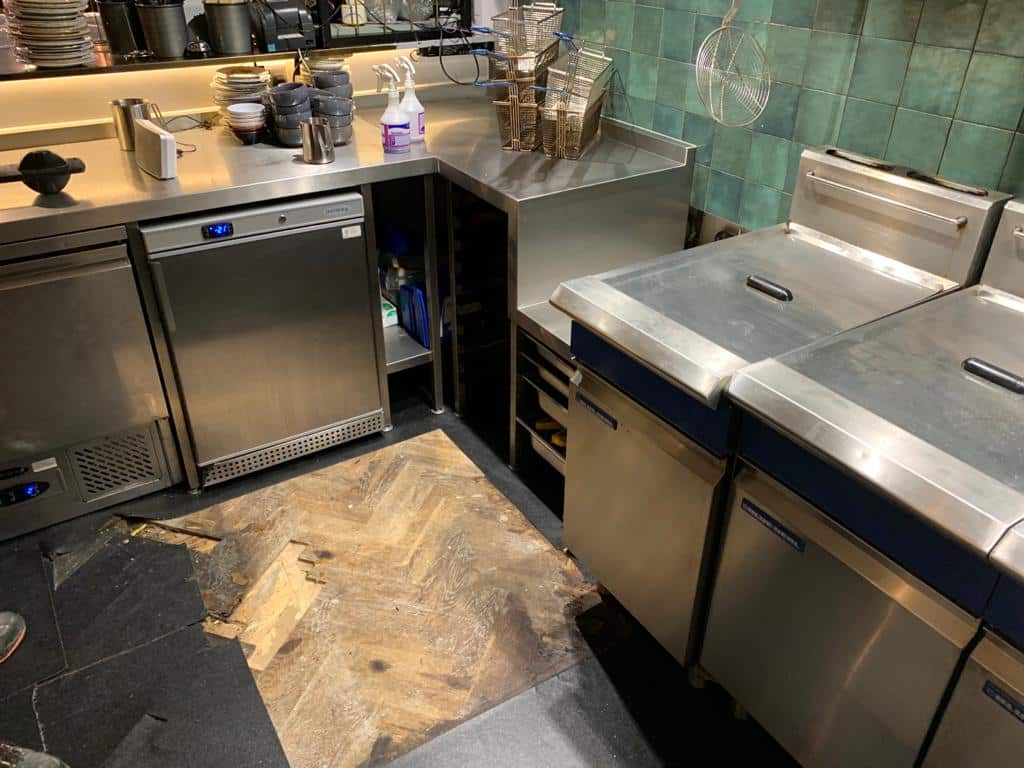
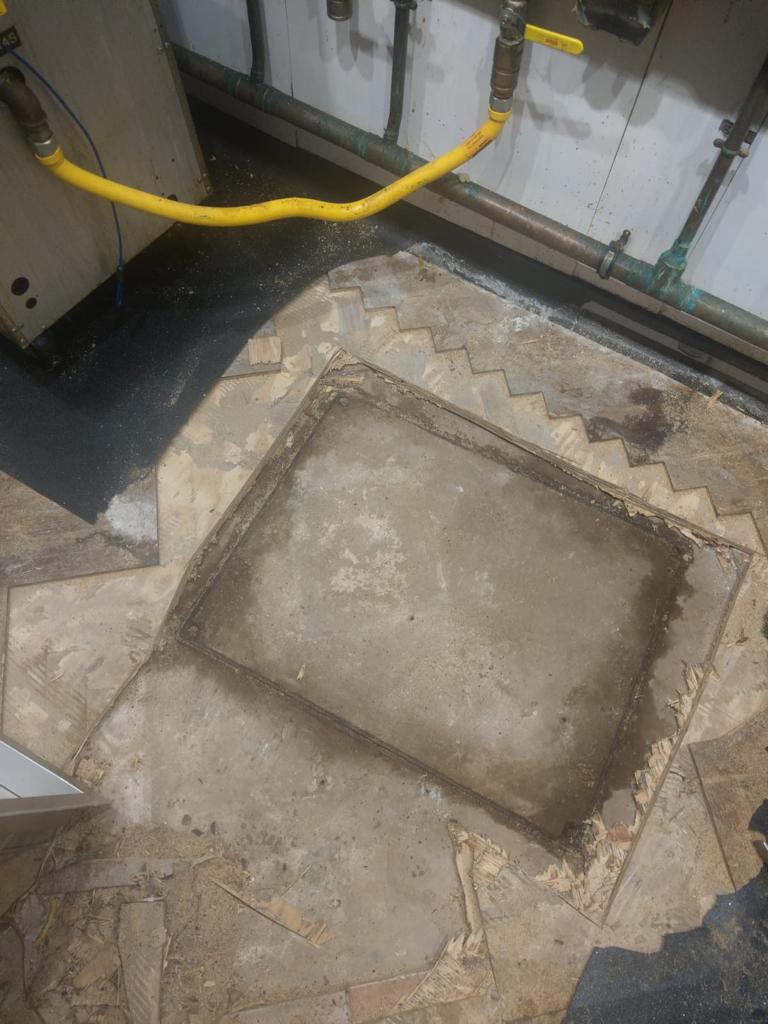
Our drainage engineers decided that the best course of action was to map the entire drain system using our drain tracing equipment, and dug down to expose the buried manhole.

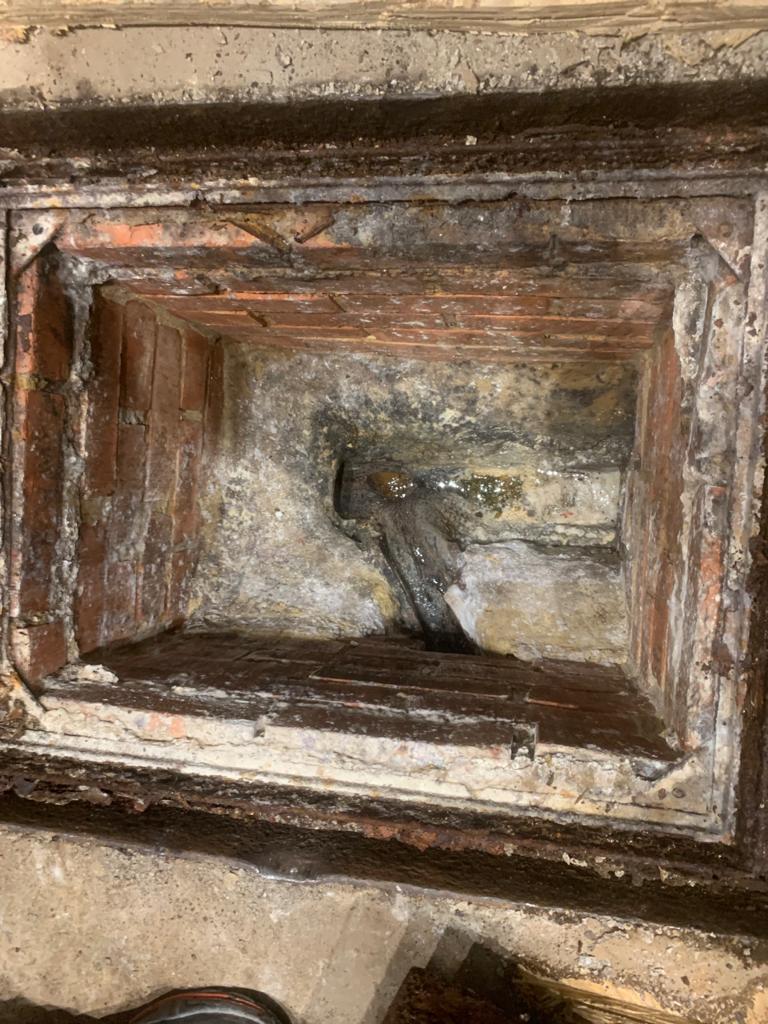
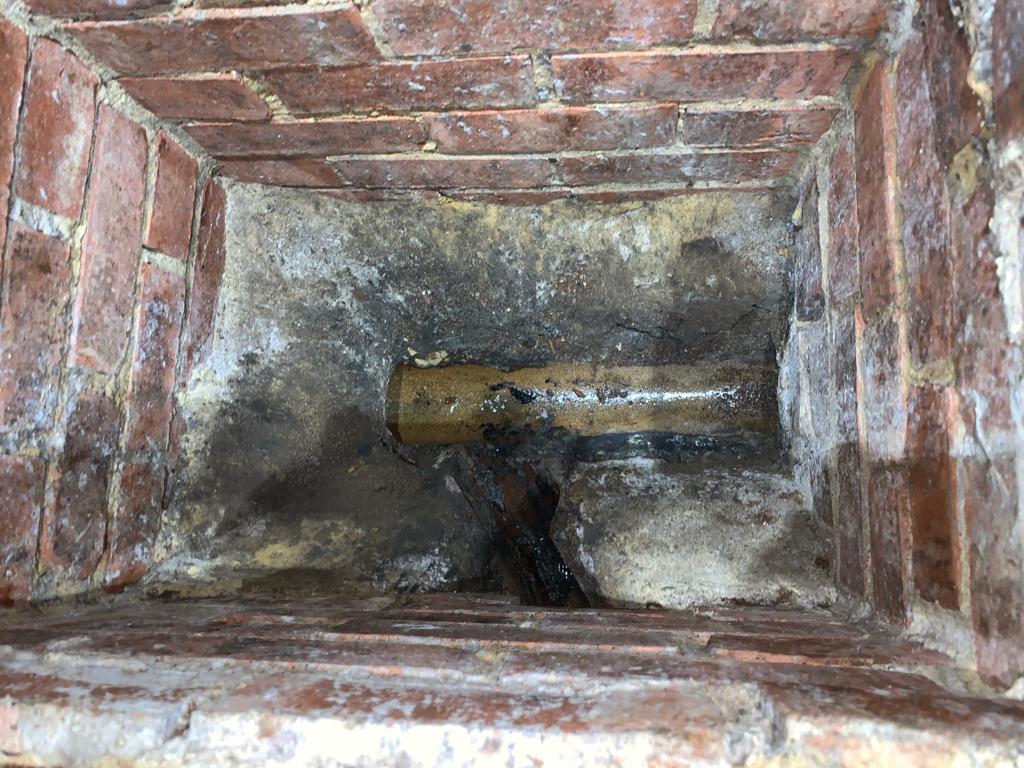
We then carried out drain cleaning on the section and fed CCTV Drain Cameras downstream into the newly exposed drain line from the manhole. Following our camera inspection, we discovered a buried interceptor trap in the basement.

What Is An Interceptor Trap?

Interceptor traps were first introduced to properties in and around London in Victorian times. Drain interceptor traps were originally installed to stop the smells from sewers venting into properties. The design of the trap effectively prevented rodents and foul smells leaving the sewers and accessing properties. But they can often cause lots of drainage problems.

They are primarily made from vitreous clay, which means they suffer from root ingress and can be fractured with movement or settlement. A build-up of debris, grease, and fat within the trap itself will then cause severe blockages.

So, What Did Quick Clear Drainage Do?!

Our drainage engineer dug down the buried interceptor trap to expose it. He then proceeded to give this a full hydro scrub and clean. Once the trap was absolutely spick and spam, the drain lines were all inspected again using our CCTV Drain Camera equipment to ensure it was back to full bore and the drains were free-flowing.
To summarise, Quick Clear Drainage:

  1. Found and cleared the initial blockage in the restaurant’s drains.
  2. We then inspected the system to ensure peace of mind and traced the system using drain tracing equipment.
  3. We discovered a buried inspector trap which may have contributed to reoccurring blockages & foul smells.
  4. We cleared and fully cleaned the interceptor trap.

Our drainage engineer left details of the works carried out with the customer, and the restaurant went back to doing what they best without the disruption of drain blockages.

A successful visit, and a happy customer! All in a day’s work!

If you have a blocked drain, or any other drainage issue and would like some free advice, or you’d like to book in a visit from one of our engineers – call us on 0203 633 3897, or send us a message.
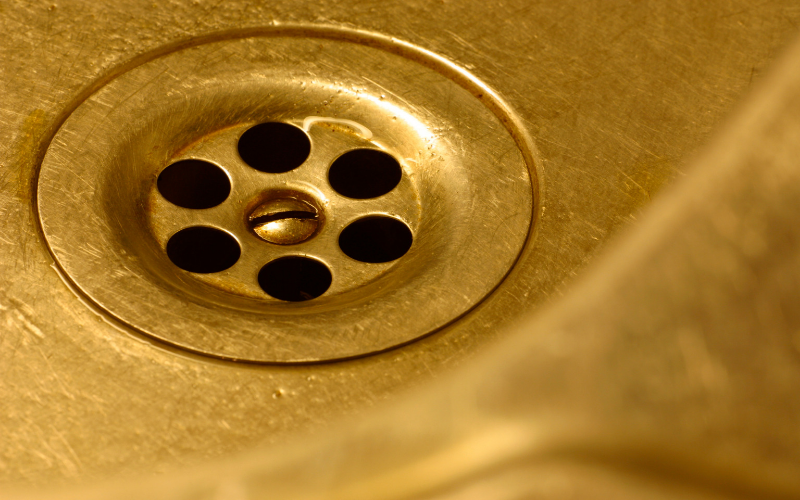
How Do You Know When Your Drains Are Blocked?

Believe us, we’re the first to understand just how stressful drainage issues can be on your household or business. There’s no disruption and inconvenience quite like it once you’ve realised you have a blocked drain in London or any other area of the UK. So, what’s the solution? preventative measures and early detection. The sooner you detect a blockage issue, the less damage it is likely to cause to your day to day life.

Here’s 4 simple signs to look out for, when assessing whether your drains are clogged:

Unpleasant Smells

One of the most obvious, and unpleasant signs of a blockage in your drains is a foul smelling odour. One of the most common causes of drain blockages is food debris. This debris begins to slowly decompose, which, in turn, begins to produce a very bad smell! You may notice this more when your tap turns on, or you might catch the scent of sewage around your house or drain cover.

Water Draining Slowly

Again, a clear sign of drainage issues and blockages is water draining slower than usual in your toilet, sink, shower or bath. As well as a blocked drain, in some cases, water draining slowly can also be a sign of a  a collapsed pipe. Blockages are one thing, in the case of a collapsed pipe, you will need drain repairs done by a professional drainage company.

Blocked Drain Water Running Slowly London

Gurgling Sounds Coming From Drains

Any noises which sound different to normal, especially gurgling noises originating from drains, plug holes, toilet flushes and pipes are easy red flags to watch out for. When you run water, a gurgling sound is an indication that there is trapped air which is escaping. It’s common for dirt and grease to build up in your drains. This buildup can cause the water to drain slowly and as a result, the air bubbles can not go through the pipes and instead, travel through the nearest vent. That’s why you hear a gurgling noise. 

Raised Water Levels

If you’re in a situation where you notice a rise in the water level of your toilet when flushed, it’s a clear sign that you have a blocked toilet. For any temporary or partial waste blockages, it may be easy to unblock with a plunger. However, for longer-lasting issues or where the water is at the point of overflowing – It’s time to call an emergency toilet unblocking service.

What To Do About Your Blocked Drains?!

Prevention is the ultimate solution for looking after your drains. Ensuring that you’re not flushing items which can cause blockages, pouring fatty oils and large amounts of food debris down the sink and so on.

However, if you have noticed any of the above signs – it is best to call a professional drainage contractor, as soon as possible. For rapid response, efficient results, and to prevent the risk of any further costly damage to your property, give Quick Clear Drainage London a call.

Quick Clear Drainage provides drain unblock services in London, and the surrounding areas.

Why it is important to switch to sustainable cleaning supplies

As we learn and understand more about our planet, it’s clear that the way we treat it needs to change. The climate crisis is a pressing issue and whilst major adjustments like the reduction of fossil fuels are the way forward, we can make a difference at home too. 

Many of us are familiar with the benefits of recycling, but one eco swap that you may not have considered in your home is your household cleaning routine. But with many people spending an average of 10 days cleaning per year, the products that we use on this chore soon add up, so it’s well worth making a sustainable switch. Here, we explain why.

They’re better for the environment

There are several issues with cleaning products – one, the products themselves can harm the environment, and two, the cloths and sponges we use to apply them and wipe them off can do the same. Chemical compounds in cleaning products can reduce the quality of the water, harm aquatic life and even contribute to smog formation.

Sustainable cleaning products are generally designed to be water and animal safe, in bottles made of recycled plastic. You can even make your own cleaning products out of household ingredients such as lemons, vinegar and baking soda to reduce your impact even further.

They can save you money in the long run

Whilst the biggest savings can come from creating your own cleaning products, as they contain easy-to-buy ingredients, you’ll be surprised at the price of ready-made sustainable products too. Whilst prices will vary, some companies offer cleaning ‘drops’ that you add to tap water in bottles that you already own – therefore cutting both the cost of the bottle and the cost that is added for making it up for you.

Additionally, whilst buying long-lasting cleaning tools may be more expensive than buying cheap disposable cloths at first, it will pay off in the long run as you can reuse your items again and again. Scrubbing brushes and other tools are also likely to be made of wood rather than plastic, and should therefore be less likely to snap. 

If you want to reduce costs, then save up old fabric from used clothes, towels and dishcloths, and cut them into smaller pieces to use as rags.

Keeping your house clean reduces long-term issues

A regular cleaning routine saves you from experiencing long-term issues with your property. For example, running hot water into a drain once a week after you’re done scrubbing the shower or sink will help reduce the risk of any blockages. You can also get strainers that catch any hair or debris before they go down the drain in the first place – but these require regular cleaning, so it’s important to have a good routine in place to make sure everything stays hygienic. Choosing the right sustainable cleaning supplies allows you to keep up your regular cleaning without the smell of harsh chemicals, or the worry that you’re damaging the planet. 

Better for you, better for the environment

In conclusion, there are some clear benefits for making the switch to sustainable cleaning. Not only is it better for the environment, but it can potentially save you money through the longevity of the products you buy. Remember, a regular cleaning routine is essential for keeping your home hygienic and reducing the risk of a larger cleaning job further down the line.

5 Signs You May Have A Collapsed Drain

As a property owner, you want your drains to work all year without fail. The good news is that most do, taking waste and sewage from your home and depositing them at the treatment works. Unfortunately, however, drains don’t always work and, in some circumstances, can collapse, leading to drainage issues and backing up.

A collapsed drain is a potentially severe issue. Drains collapse either because of a lack of maintenance, or when the ground shifts. Both of these are liable to crack pipes and cause waste to flow into the surrounding ground. Collapsed drains not only create an inconvenience but are also a health hazard. Cracks make it easy for rodents and other sewer-dwelling creatures to enter your home. 

How can you tell if you have a collapsed drain? Let’s take a look. 

You Can Smell Sewage

Ordinarily, you should not be able to smell sewage. A combination of sealed piping and regular draining prevents smells from the sewage system from backing up into your home. Unfortunately, when you have a collapsed drain, there’s nothing to contain the sewage, and it begins to leach out into the surrounding ground. No matter where the breach is located, it’s a problem, but it’s particularly bad when the drain is leaking near your foundations or close to your home. 

If you smell sewage, then it’s unlikely the problem will go away. You need professionals to fix the issue as soon as possible. 

There Are Rodents And Other Unwanted Visitors In Your Property

Rodents love living in sewers because they are a great way to escape the threat of predation while also offering shelter against the elements. It’s not uncommon for sewer-dwelling creatures to raise entire litters of young in the sewers before venturing out into the wide-open world to find food. 

When you have a collapsed drain, however, it means that your defences against rodents are compromised. There’s nothing preventing rodents from climbing through cracks, out of drains, and up pipes into your home. If you suddenly find that you’re inundated with sewer-dwelling creatures, then it could be a collapsed drain. Rodent infestations require urgent attention.

Your Sinks, Baths And Toilets Drain Slowly

Often a collapsed drain leads to a blockage. The material around the pipe falls into the channel, preventing wastewater from flowing through and out into the rest of the sewage network. 

If you notice slow draining in all the sinks and toilets in your home, then you likely have a collapsed drain. Experiment with domestic drain unblocker products, but if the problem persists or you notice a smell, then you may require professional assistance. 

Professional blocked drains experts will first perform a CCTV survey using a camera on the end of a long pole to see whether there is damage or blockage in your drains. Professionals will then create a plan of action to repair the obstruction and order replacement parts. 

You Notice Persistent Damp Or Mold

Collapsed drains can prevent water from draining from your property. Instead of travelling through pipes and out into the sewage network, blocked drains, cause wastewater to back up and leach out into the surrounding ground. 

Sometimes, the collapsed area is near to your foundations. When sewage leaks out, it permeates the masonry and slowly works its way up until it becomes visible in the walls in your home. 

Damp is indicative of an issue, but it doesn’t create health problems by itself. Mould, however, does and can worsen asthma symptoms and lead to allergies. Where damp starts, mold usually follows, so if you have a collapsed drain, it’s in your best interest to deal with the issue sooner rather than later. 

Your Toilets And Sinks Keep Backing Up

When you flush a toilet or empty a sink, it releases a sudden rush of wastewater into the system. Under normal circumstances, your sewer pipes can handle all of this liquid passing through in one go. But when you have a collapsed drain, you may notice “backing up.” 

Toilets, for instance, may take a while to return to their normal water level after flushing, and sinks or baths may drain slowly. Check first that neither the pipes leading from the bath/sink or toilet are blocked and use regular domestic pipe unblocker. If that doesn’t resolve the problem, then, again, you may need the help of professionals. With a professional by your side, you can deal with the source of the problem and restore functional drainage in your home. 

Do you think that you may have a collapsed drain? Contact Quick Clear Drainage for CCTV Drain Surveys London to investigate whether you have collapsed drains in need of repair.

What is a CCTV Drain Survey?

A CCTV Drain Survey may sound like a daunting concept. However, it’s really a simple procedure that involves using specialist drain cameras to inspect your pipes. In order to ensure the longevity of your drains, it helps to understand their condition first-hand. And if you really want to know exactly what’s going on, there’s only one way to find out – and that’s with a CCTV drain survey. After all, seeing is believing!

CCTV Drain Surveys in More Detail

Simply put, a drain survey is a detailed and informative look into your property’s drainage pipes, by making use of specialist CCTV cameras which are fed into your drains system. This equipment projects a live feed back to a monitor at surface level so a drainage engineer can identify any problems, and assess the best course of action. This footage is also documented, saved and can be exported for your reference.

Why Would I Need A Drain Survey?

There’s various reasons as to why you would need to get a drain survey completed. 

One of the most common reasons may be that you are a new homebuyer, in which caser, a pre-purchase CCTV drain survey is 100% recommended. Buying a property is one of (if not the) largest purchase you can make, so understandably, it’s important to have peace of mind that you won’t encounter any surprise problems with your drainage once you’ve moved in. 

A drain survey will provide you with a precise analysis of your pipes and give you the power of an informed decision, before you sign. 

Drain surveys are also recommended for homeowners or tenants who are experiencing recurring blockages in their drains, or frequent foul smelling odours. Often, consistent drainage issues can be solved with a CCTV drain survey. At Quick Clear Drainage, we offer a free drain inspection after every unblock – Full surveys are also quoted for free.

What Is The Outcome Of A Drain Survey?

The findings of a CCTV Drain Survey are endless. From damage due to tree roots, collapsed drains, severe blockages, wear and tear on old systems, and more. What’s important is that if there is an issue, a drain survey will identify it as soon as possible before the problem gets worse.  

Some of the following issues can be identified and solved as a result of having a drain survey conducted:

  • Collapsed & damaged drains
  • Damage caused by tree root ingress
  • Severe blockages
  • Causes and extent of leaks/bursts in pipes
  • Drain corrosion and general wear & tear
  • Rodent & animal intrusion.
  • Evidence of displacement or poor installation

Drain Repairs

Following a CCTV drain survey, a drainage engineer may find damaged drainage systems which require repair work. It is recommended that you take action with collapsed and damaged drains as soon as possible, as left unchecked, it can cause unwanted damage further down the line. 

The Difference Between An Inspection & A Survey

Both an inspection and a survey will provide you with peace of mind – the main difference between the two is that our full surveys allow you to keep a DVD recording as documented proof of the condition of your drains. CCTV Drain Surveys are considered a more formal evaluation of the condition of your drains, and are recommended if you are having more severe drainage issues. 

Quick Clear Drainage CCTV Drain Surveys London

Quick Clear Drainage provides CCTV drain surveys in London to help locals stay on top of the condition of their drainage systems. Drain surveys can be booked ahead of time or in many cases, on an emergency basis.  For more information, or to arrange a CCTV drain survey for your property, get in touch now.